

The evolution of the internet has significantly transformed how brands engage with their audiences. From the static websites of Web1 to the interactive, centralized platforms of Web2, digital marketing has undergone massive change. Now, Web3 is poised to revolutionize the landscape once again, offering marketers opportunities and challenges unlike anything seen before. In this article, we’ll explore how Web3 is reshaping social media, what it means for marketers, and strategies to stay ahead in this decentralized digital era, especially within the context of Web3 social platforms.
What Is Web3?
Web3, often referred to as the decentralized web, represents the next phase of internet evolution. It leverages blockchain technology to create decentralized, user-owned platforms. Unlike Web2, where tech giants own and control user data, Web3 empowers individuals to take ownership of their digital identities and assets.
For a deeper dive into the technology behind Web3, check out this comprehensive guide on Web3 here.
Key features of Web3 include:
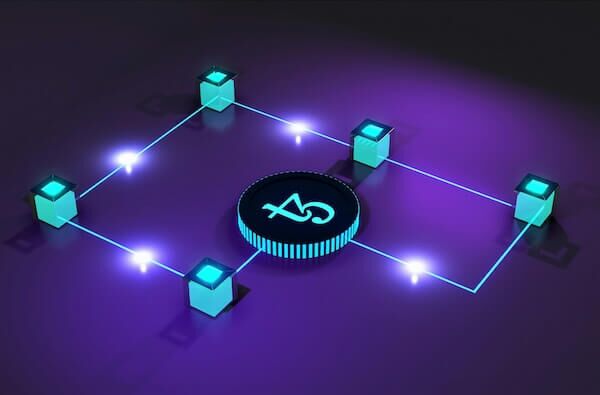
- Decentralization: Platforms are hosted on blockchain networks instead of centralized servers.
- Tokenization: Digital tokens like cryptocurrencies or NFTs enable new monetization models.
- Transparency: Blockchain ensures data and transactions are immutable and open for public verification.
- User Control: Individuals have greater control over their data, reducing reliance on intermediaries.
For marketers, these shifts create opportunities to engage with audiences more directly and authentically on Web3 social platforms, while also posing challenges in adapting to new technologies and business models.
How Web3 is Transforming Social Media
Web3 is redefining social media by addressing some of Web2’s most significant issues, such as centralized control, data exploitation, and algorithmic bias. Here’s how:
1. Decentralized Platforms
Social media platforms built on blockchain, like Lens Protocol or Mastodon, are gaining traction. These platforms eliminate intermediaries, allowing users and creators to own their content and data.
- Impact on Marketers: Brands can build direct relationships with their audiences, bypassing traditional gatekeepers like Facebook or Twitter. However, marketers will need to navigate new ecosystems and tools on Web3 social platforms to engage users effectively.
2. NFT Integration
Non-fungible tokens (NFTs) are becoming integral to Web3 social media. Users can mint and trade unique digital assets, ranging from profile pictures to exclusive content.
- Impact on Marketers: NFTs open up creative possibilities for branded campaigns, loyalty programs, and limited-edition digital assets that foster deeper engagement.
3. Community Ownership

Web3 social platforms often use decentralized autonomous organizations (DAOs) to give users governance rights. This allows communities to decide platform rules, features, and revenue-sharing models.
- Impact on Marketers: Brands must align with community values and engage transparently, as top-down advertising approaches may no longer be effective within the Web3 social landscape.
4. Data Privacy and Security
Web3 prioritizes user privacy, with blockchain enabling secure, permission-based data sharing.
- Impact on Marketers: The loss of easy access to user data means marketers must adopt new strategies, such as incentivized data sharing or leveraging public blockchain data.
Why Web3 Matters for Marketers
Web3 isn’t just a buzzword—it’s a fundamental shift in how digital interactions occur. For marketers, understanding the implications of Web3 is essential to remain relevant. Here’s why:
- User Empowerment: Audiences demand transparency and control. Brands that fail to respect these values risk losing trust.
- New Revenue Models: Token-based economies and blockchain-native monetization options provide innovative ways to generate income.
- Changing Expectations: Users on Web3 platforms expect authenticity and value-driven engagement, not intrusive ads or clickbait.
Adapting to these changes early can position brands as pioneers in this emerging space.
Strategies for Marketing Success in a Web3 World
1. Educate Yourself and Your Team
The first step to leveraging Web3 effectively is understanding its technologies and principles. This includes blockchain basics, cryptocurrency trends, and the role of smart contracts.
- Attend webinars, courses, and conferences on Web3 topics.
- Collaborate with blockchain experts to identify opportunities for your brand.
2. Experiment with Decentralized Platforms
Start exploring Web3-native platforms to understand their dynamics and user base.
- Set up a presence on decentralized social media like Lens Protocol.
- Engage with blockchain-based communities to learn what resonates with them.
3. Integrate NFTs Thoughtfully
NFTs can be a powerful tool for building brand loyalty and creating exclusive experiences.
- Launch limited-edition NFT collections tied to your campaigns.
- Use NFTs as rewards in loyalty programs or exclusive event passes.
- Collaborate with digital artists to create branded NFTs that align with your identity.
4. Embrace Transparency and Community Engagement
Web3 audiences value authenticity and inclusion. Brands must adopt a participatory approach.
- Host AMAs (Ask Me Anything) on decentralized platforms to foster direct dialogue with users.
- Use DAOs or community voting to co-create campaigns or products.
5. Develop a Token Strategy
Tokenization can revolutionize customer engagement by incentivizing participation.
- Issue branded tokens to reward loyal customers or contributors.
- Partner with platforms that integrate tokens into their ecosystems.
Challenges of Marketing in a Web3 Landscape
While Web3 offers exciting opportunities, it also presents challenges for marketers:
- Technical Complexity: Understanding blockchain, smart contracts, and tokenomics can be daunting.
- Fragmented Ecosystem: Web3 platforms are still in their infancy and lack the scale of Web2 giants.
- Regulatory Uncertainty: Compliance with emerging regulations for cryptocurrencies and digital assets is critical.
- Limited User Base: Web3 adoption is growing but remains niche compared to traditional platforms.
To overcome these hurdles, marketers must invest in education, experimentation, and collaboration with Web3 experts.
Case Studies: Brands Leading the Way in Web3

1. Nike’s NFT Strategy
Nike launched its digital asset platform, .Swoosh, allowing users to buy, trade, and showcase virtual sneakers as NFTs. By integrating these assets into gaming environments, Nike has created a seamless blend of branding and user engagement.
2. Starbucks’ Web3 Loyalty Program
Starbucks Odyssey uses blockchain technology to offer customers NFT-based rewards that unlock unique experiences, such as virtual coffee tastings or exclusive merchandise.
3. Red Bull and Decentralized Communities
Red Bull has actively engaged with blockchain-native communities, sponsoring events and collaborating with creators in the NFT space to build credibility among Web3 enthusiasts.
These examples illustrate how innovative brands are capitalizing on Web3’s potential to engage audiences in meaningful ways.
The Future of Web3 and Social Media Marketing
Web3 is still evolving, but its impact on social media marketing is undeniable. As more platforms and users embrace decentralization, the way brands connect with audiences will shift. Here’s what to expect:
- Increased Adoption of Decentralized Platforms: As these platforms mature, they’ll attract larger user bases, offering marketers new opportunities.
- Rise of Token Economies: Tokens will play a central role in incentivizing user participation and driving loyalty.
- Enhanced Focus on Privacy: Privacy-first marketing strategies will become standard, as users demand greater control over their data.
By staying informed and adapting early, marketers can position themselves as leaders in this new era.
Conclusion
Web3 is more than a technological shift—it’s a cultural revolution in how people interact online. For social media marketers, embracing Web3’s principles of decentralization, transparency, and user empowerment is crucial. By leveraging tools like NFTs, tokenized economies, and decentralized platforms, brands can forge stronger, more authentic connections with their audiences.
The future of social media marketing lies in adapting to this brave new world. Start exploring Web3 today to ensure your brand remains at the forefront of innovation.


